


Emily Bronte
- In stock, ready to ship
- Backordered, shipping soon
Află de ce → Închide ↑
Trandafirii la rădăcină nudă trebuie scoși din câmp doar după ce au intrat în repaus vegetativ, s-au maturizat și sunt pregătiți pentru iarnă.
Dacă sunt scoși prea devreme, plantele sunt supuse unui stres inutil, iar lăstarii nu au timp să se maturizeze și să se „lemnifice”.
La sfârșitul toamnei, odată cu scăderea temperaturilor, creșterea încetinește, frunzele cad, iar lăstarii se lignifică – adică se maturizează și se „lemnifică”. Astfel, trandafirii intră în iarnă bine pregătiți pentru temperaturile scăzute.
Nu forțăm sezonul doar pentru a livra mai devreme. Așteptăm momentul potrivit din ciclul natural al plantei, astfel încât clientul să primească un trandafir bine maturizat, viguros și pregătit pentru iarnă.
Dar nu vor îngheța peste iarnă?
Tocmai de aceea îi scoatem din câmp după maturizarea lăstarilor, astfel încât trandafirii să fie bine pregătiți pentru iarnă.
Famous Roses oferă 180 de zile garanție la prindere pentru trandafirii la rădăcină nudă.
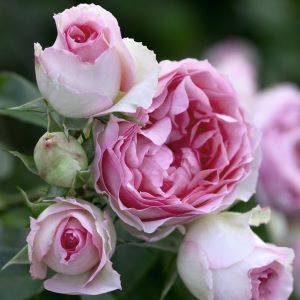
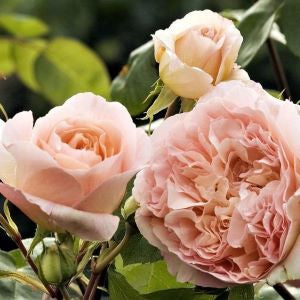
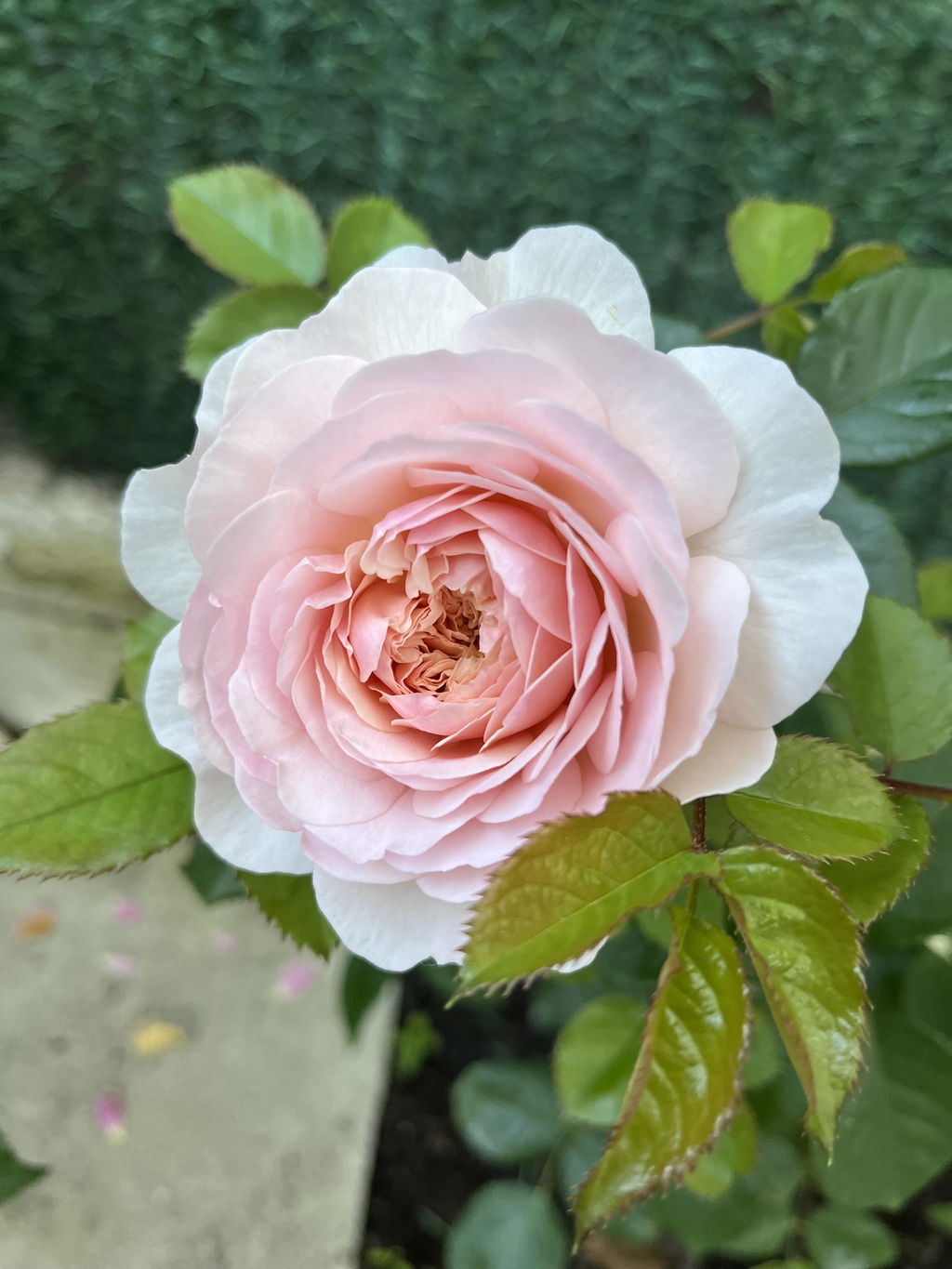
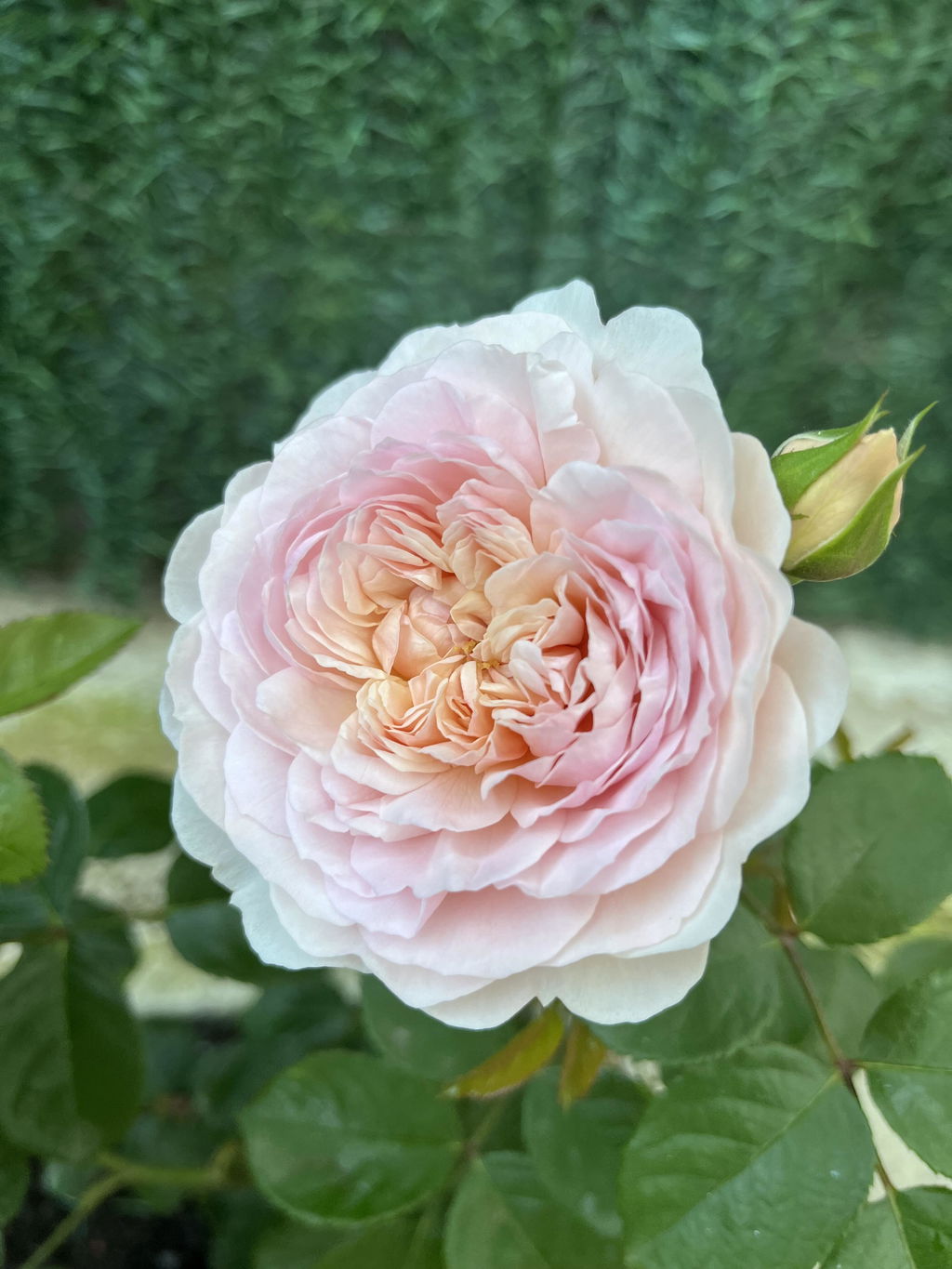
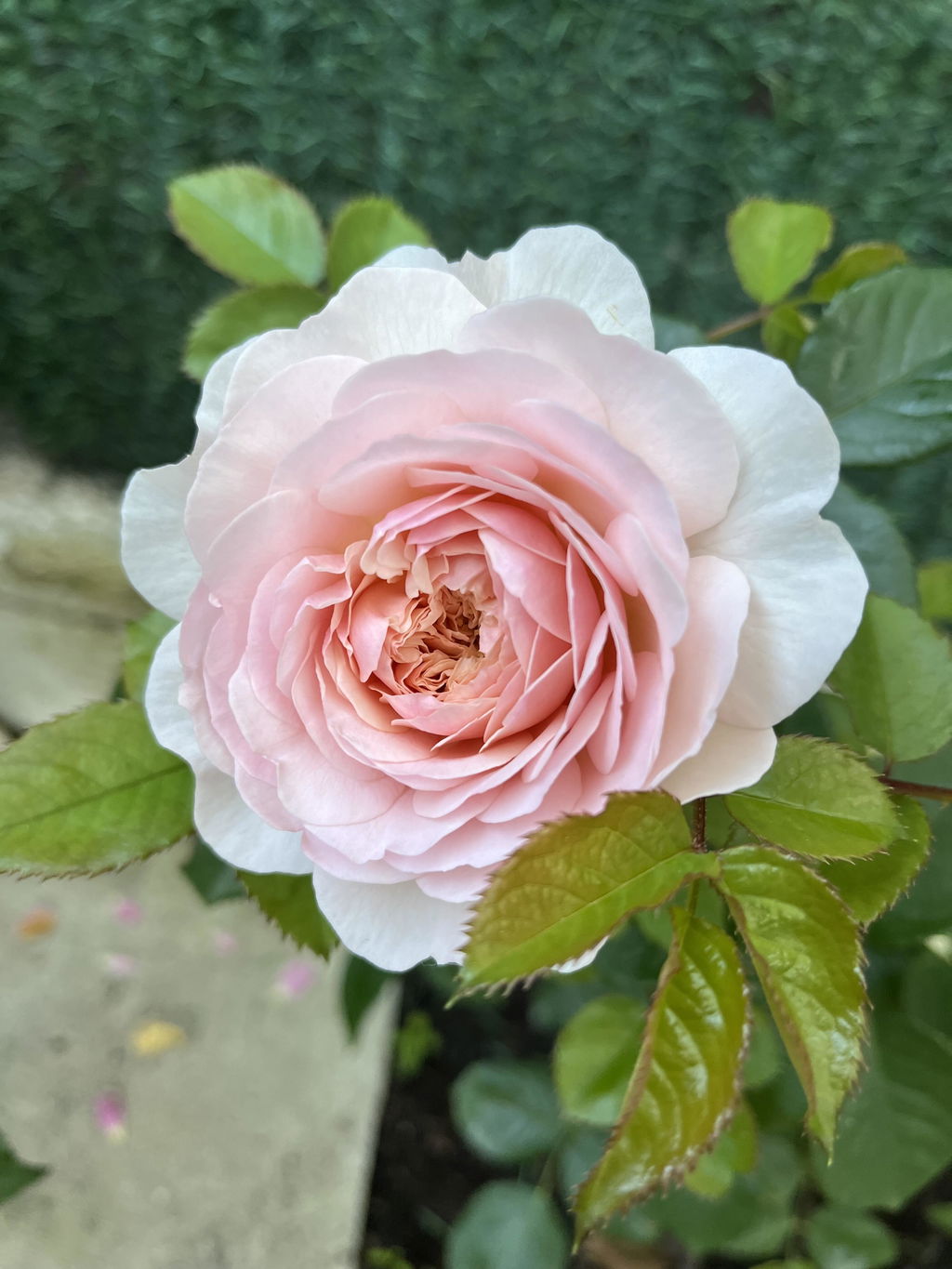
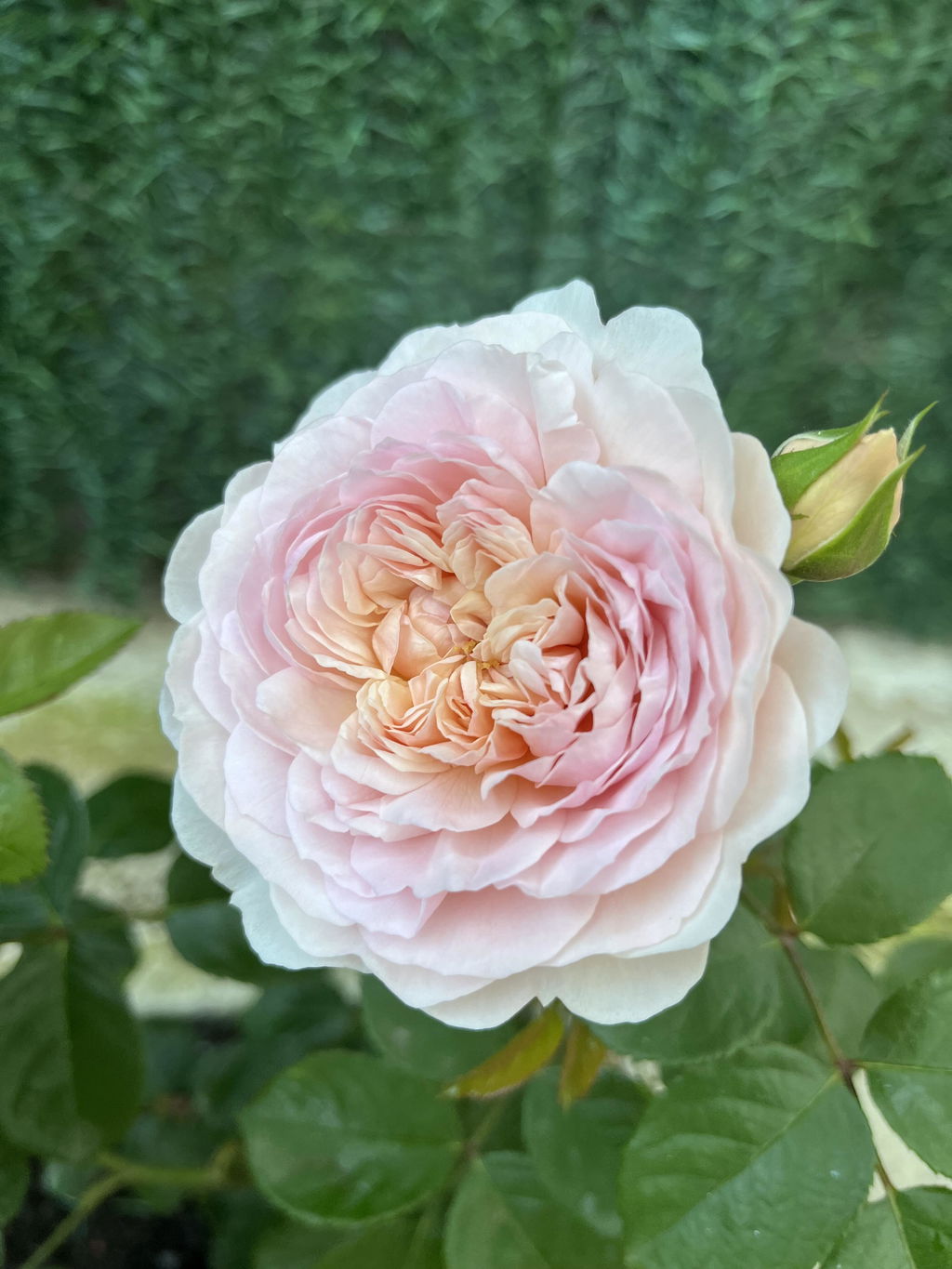
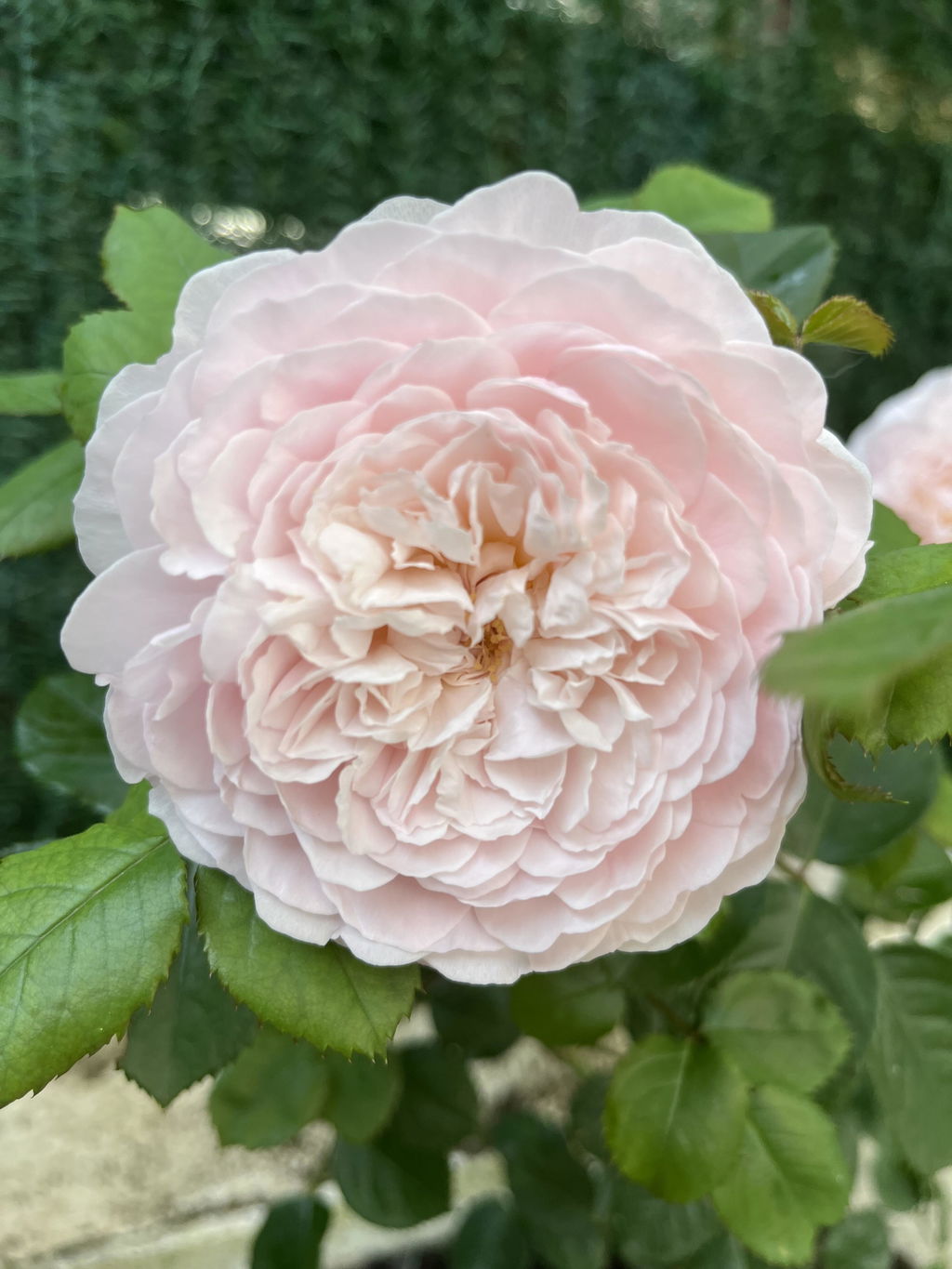
Emily Brontë is a shrub English rose created by David Austin, with flat, tidy flowers in a delicate blend of pink, apricot, and cream. Its strong fragrance starts with tea notes, then develops an old rose character with fresh accents of lemon and grapefruit.
It forms a rich, vigorous, and upright shrub that blooms repeatedly. The flowers gradually change shade as they open, so the plant can display different tones of pink, apricot, and cream at the same time.
Choose Emily Brontë if you want a rose with a strong fragrance, a color that evolves beautifully, and a bush with enough presence for a bed, a flowering hedge, or a large pot.
The story of the variety and its name →
In 2018, two hundred years after the birth of novelist Emily Brontë, the Brontë Society asked David Austin to name a rose in her honor. Thus, the name of one of the most famous English writers entered a rose garden.
In the garden, Emily Brontë does not stay one color and does not reveal itself at a single glance. The flowers start in a delicate pink, the central petals take on richer apricot tones, and the exterior gradually lightens toward cream.
It is the kind of rose you stop by to see what has changed from one day to the next. A barely opened flower may look different from a mature one, and being close to the bush reveals its complex fragrance, with notes of tea, old rose, and citrus.
The name refers to the author of the novel "Wuthering Heights," published in 1847. The rose was introduced by David Austin in the very year of the writer's bicentenary.
See less →Why choose Emily Brontë →
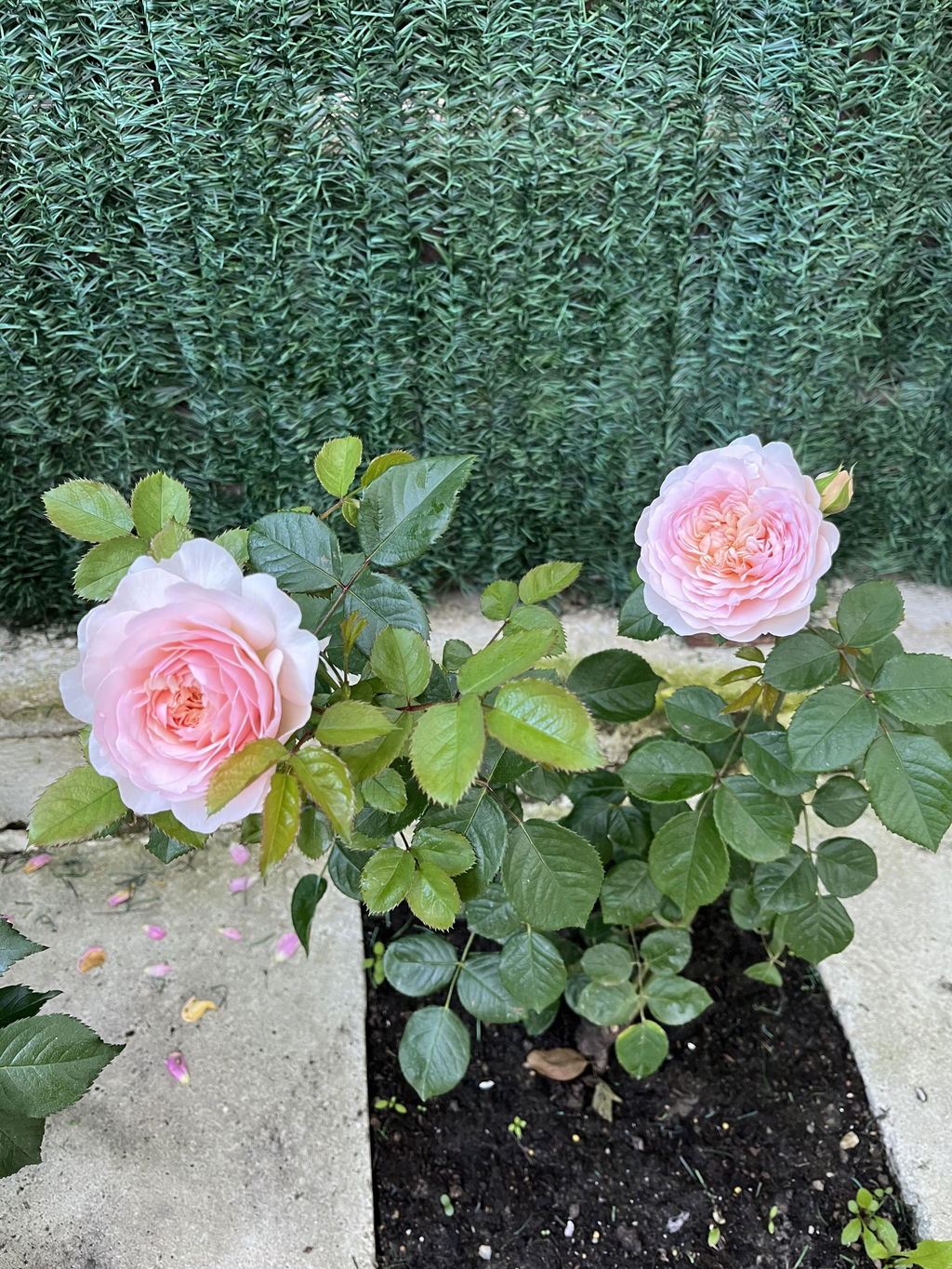
Color is one of this variety's differentiators. The flowers combine delicate pink with more intense apricot tones in the center and shades that fade to cream. Flowers in different stages can appear on the same bush, each with its own color combination.
The flowers have a flat and tidy shape, with smaller central petals clustered around deeply set stamens. Their appearance is different from the very deep and compact rosettes found in other English roses.
The fragrance is strong and changes as the flower opens. The tea notes gradually take on the deeper character of old roses, complemented by fresh accents of lemon and grapefruit.
Repeated blooming brings color and fragrance back in several waves throughout the season. After the first bloom, other buds and flowers appear whose shades can be followed from opening until they fade to cream.
David Austin highlights the balance between the flat flowers, the complex fragrance, and the upright growth of the bush. The plant forms a rich shrub with enough structure to support the flowers and have a clear presence in the garden.
Famous Roses recommends Emily Brontë to those who want a rose with a strong fragrance, flowers in shades that evolve from pink to apricot and cream, and a bush suitable for a visible spot in the garden.
It is not the right choice if you want a very low bush, a perfectly uniform color throughout the life of the flower, or a rose for an area with dense shade.
See less →How to integrate it into the garden →
Plant Emily Brontë in a place where you can see the flowers up close and watch the shades change. It fits well next to a path, near the terrace, close to the entrance, or in a bed visible from the window.
Being close to an area where you spend time allows you to also discover the fragrance. A flower may first bring tea notes, and as it opens, you can smell the old rose character and fresh citrus accents.
Its upright and rich habit makes it suitable for mixed beds, rose borders, and flowering hedges. The shades of pink, apricot, and cream can be combined with white, blue, purple, or maroon flowers and with green, gray, or silvery foliage.
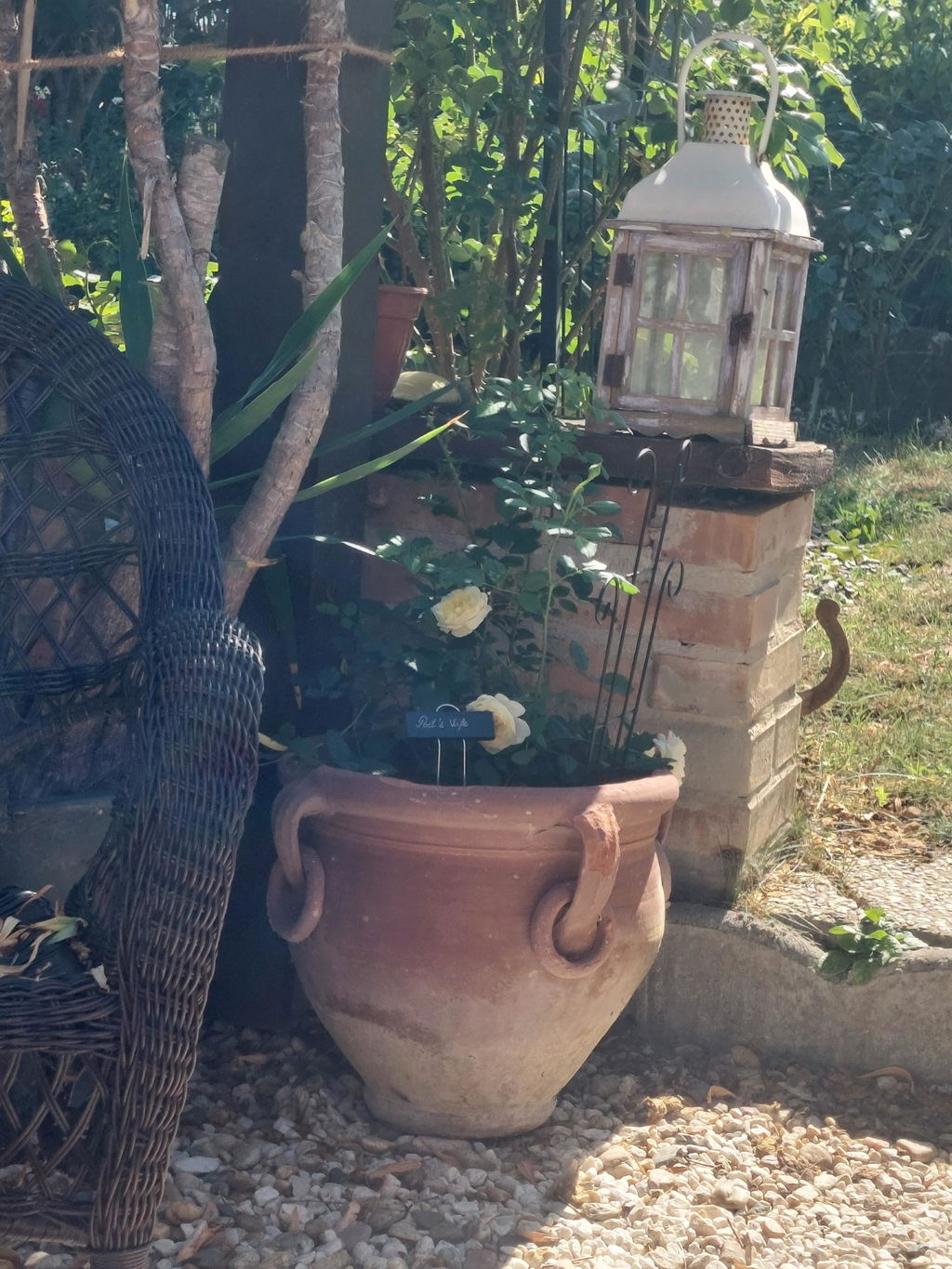
It can also be grown in a large pot placed on the terrace or near the house. The container must provide enough space for a mature bush to develop, and the chosen spot must allow for regular watering and good air circulation.
See less →Characteristics →
- Type: shrub English rose
- Creator: David Austin
- Variety code: Ausearnshaw
- Year of introduction: 2018
- Color: delicate pink, with apricot tones and fading toward cream
- Flower: flat, tidy, with smaller central petals
- Approximate number of petals: about 106
- Fragrance: strong, with notes of tea, old rose, lemon, and grapefruit
- Blooming: repeated, in waves
- Habit: rich bush, with vigorous and upright growth
- Approximate dimensions: about 125 cm high and 110 cm wide
- Exposure: sun or partial shade
- Usage: mixed beds, rose borders, flowering hedges, and large pots
The dimensions are approximate and refer to a mature plant that is shaped and pruned annually. Development may vary depending on climate, soil, exposure, care, and pruning method.
See less →Frequently asked questions →
Does Emily Brontë have a strong fragrance?
Yes. It has a strong fragrance that starts with tea notes and gradually gains an old rose character, with accents of lemon and grapefruit.
Do the flowers change color?
Yes. The flowers combine delicate pink with more intense apricot tones in the center and can fade toward cream as they mature.
Does Emily Brontë bloom only once?
No. It is a repeat-blooming rose and returns with several waves of flowers throughout the season.
How big does it grow?
The approximate dimensions of a mature plant are about 125 cm high and 110 cm wide. Give it enough space for its rich, upright habit to develop.
Can it be planted in partial shade?
Yes. It can be grown in sun or partial shade. For good development and flowering, avoid areas with dense shade and very little light.
Can it be grown in a pot?
Yes. It is suitable for pots and containers, but the container must be large enough for a mature bush to develop.
Is it suitable for a rose hedge?
Yes. Its rich, upright habit and repeated blooming make it suitable for a flowering hedge, provided the plants have enough space to develop.
Why is it named Emily Brontë?
The Brontë Society asked David Austin to name the variety in honor of the writer to mark two hundred years since her birth.
What do I do after planting?
Water deeply after planting and monitor soil moisture while the plant is establishing. For complete steps, see the planting guide →
To support bush development and the return of new waves of flowers, also consult the watering guide →